Article: The Field Eventually Finds Your Limit
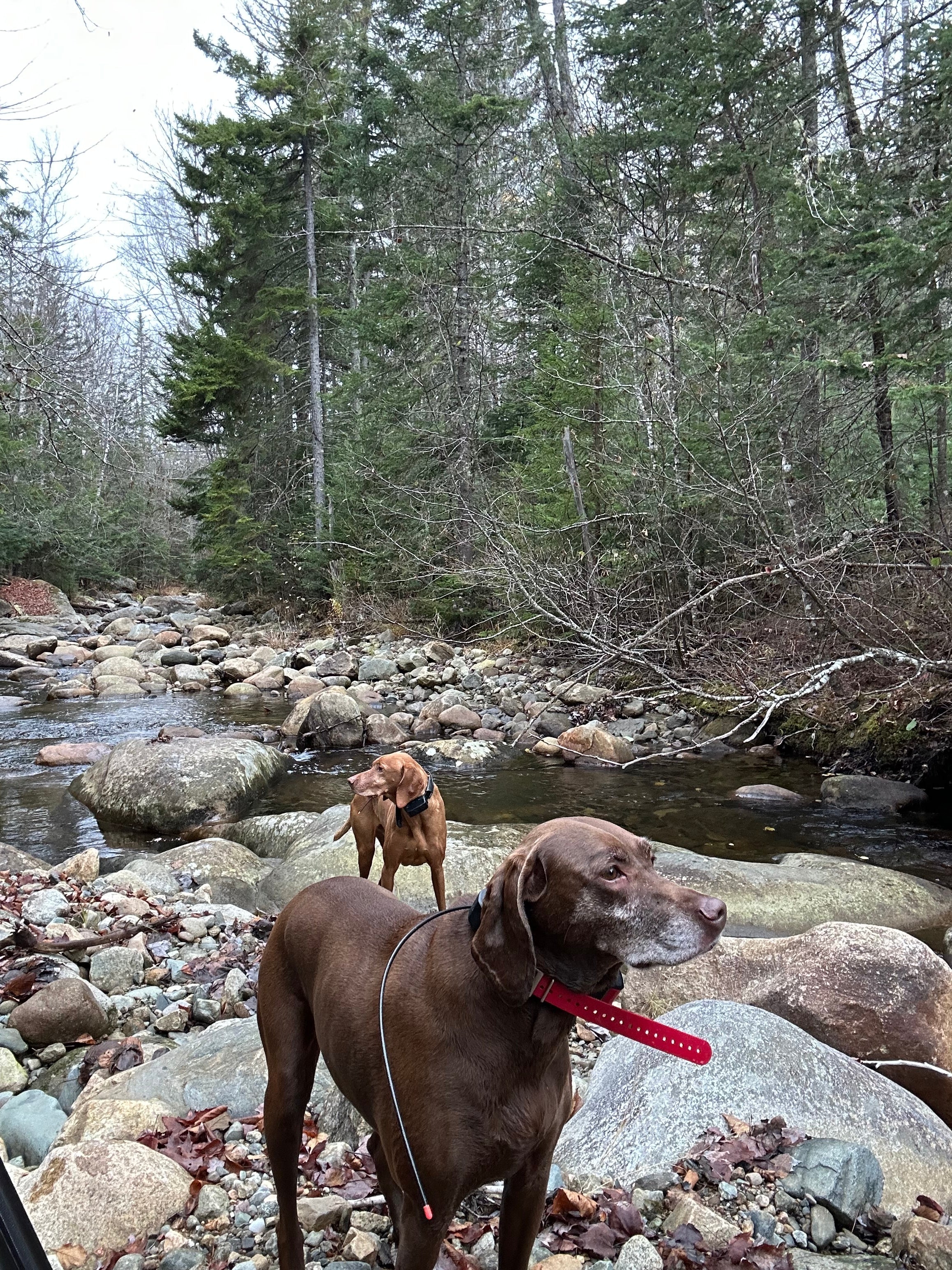
The Field Eventually Finds Your Limit
If you hunt long enough, you learn something most people don’t talk about.
The field eventually finds your limit. Not your desire. Not your grit.
Your limit.
At 30, you recover quickly.
At 40, you start noticing the difference.
At 50, you begin managing it.
A full day behind a good bird dog isn’t a single effort. It’s thousands of small ones.
Uneven ground.
Side hills.
Brush and deadfall.
Five to eight miles without thinking about it.
A vest that gets heavier as the day goes on.
And then you do it again the next morning.
This isn’t a gym session. It isn’t a race. It’s accumulated stress.
That’s where the limit shows up.
Toughness Is Not the Same as Capacity
Most upland hunters aren’t soft.
They’re willing to walk.
Willing to push.
Willing to stay out longer than they should.
But willingness doesn’t build aerobic base.
It doesn’t strengthen connective tissue.
It doesn’t increase load tolerance.
You can grind through a single day.
The question is whether you can repeat it and recover from it.
Durability is not about how hard you can go once.
It’s about how well you can go again tomorrow.
And again next week.
And again next season.
Where Limits Actually Show Up
Limits rarely appear as dramatic failure.
They show up quietly.
You cut a hunt short.
You skip the second day.
You stop pushing into the last cover because your knees are irritated.
You feel it in your lower back on the drive home.
You take longer to recover than you used to.
Most hunters don’t stop because they lose passion.
They stop because their body starts setting boundaries they didn’t choose.
That’s not age alone.
It’s accumulated neglect.
The Off-Season Is Where Boundaries Move
There’s a common mistake in hunting culture.
Wait until late summer.
Increase intensity.
Hope you’re ready by October.
That works until it doesn’t.
By August, you’re compressing preparation into a narrow window. You’re adding stress without building foundation.
Real preparation happens earlier.
The off-season is where you:
• Strengthen joints under controlled load
• Build an aerobic engine that doesn’t fade mid-day
• Increase load tolerance gradually
• Improve recovery between efforts
None of that is flashy.
But it changes your season, what you look forward to all year.
Strong Is Not the Same as Durable
You can squat heavy and still struggle on uneven terrain.
You can deadlift well and still fatigue on day two.
Field durability is different.
It’s strength expressed repeatedly.
It’s aerobic output that doesn’t collapse.
It’s connective tissue that tolerates miles under load.
It’s recovery that allows back-to-back mornings.
That doesn’t happen accidentally.
It’s built deliberately.
Seasons Stack Or They Shorten
The goal isn’t one good year.
It’s stacked seasons.
It’s hunting hard at 45 without managing pain every night.
It’s staying steady at 55.
It’s still pushing into the last cover at 60.
The field will always find your limit.
The only question is whether you moved it before October.
If you care about long seasons, not just this season, preparation isn’t optional.
It’s quiet.
It’s deliberate.
And it compounds.
Because durability isn’t built in the field.
It’s revealed there.

