How Much Does a Full Day of Upland Hunting Really Cost Your Body?
Most hunters think of a day in the field as walking.
It isn’t.
It’s accumulated output.
A typical upland hunt covers anywhere from 4 to 8 miles, often more if birds are moving or areas of cover are large. That distance isn’t on pavement. It’s uneven ground, side hills, brush, crop stubble, and hidden holes.
You’re not just moving forward.
You’re constantly adjusting.
Every step is a small correction.
Now add load.
An upland vest may start the day around 10–15 pounds depending on water, shells, layers, and gear. As the day goes on, it often gets heavier.
Then consider repetition.
A single hard effort isn’t the stressor. It’s hours of moderate output layered together.
That’s where cost accumulates.
Distance Is Only Part of It
Let’s look at this realistically.
If you walk 6 miles in a day over mixed terrain, you’re likely taking somewhere between 10,000 and 14,000 steps, sometimes more.
On uneven ground, each step requires additional stabilization from:
• Ankles
• Knees
• Hips
• Core
Those small stabilizing muscles fatigue long before your legs feel “tired.”
Now multiply that by:
• Side hill walking
• Stepping over deadfall
• Pushing through cover
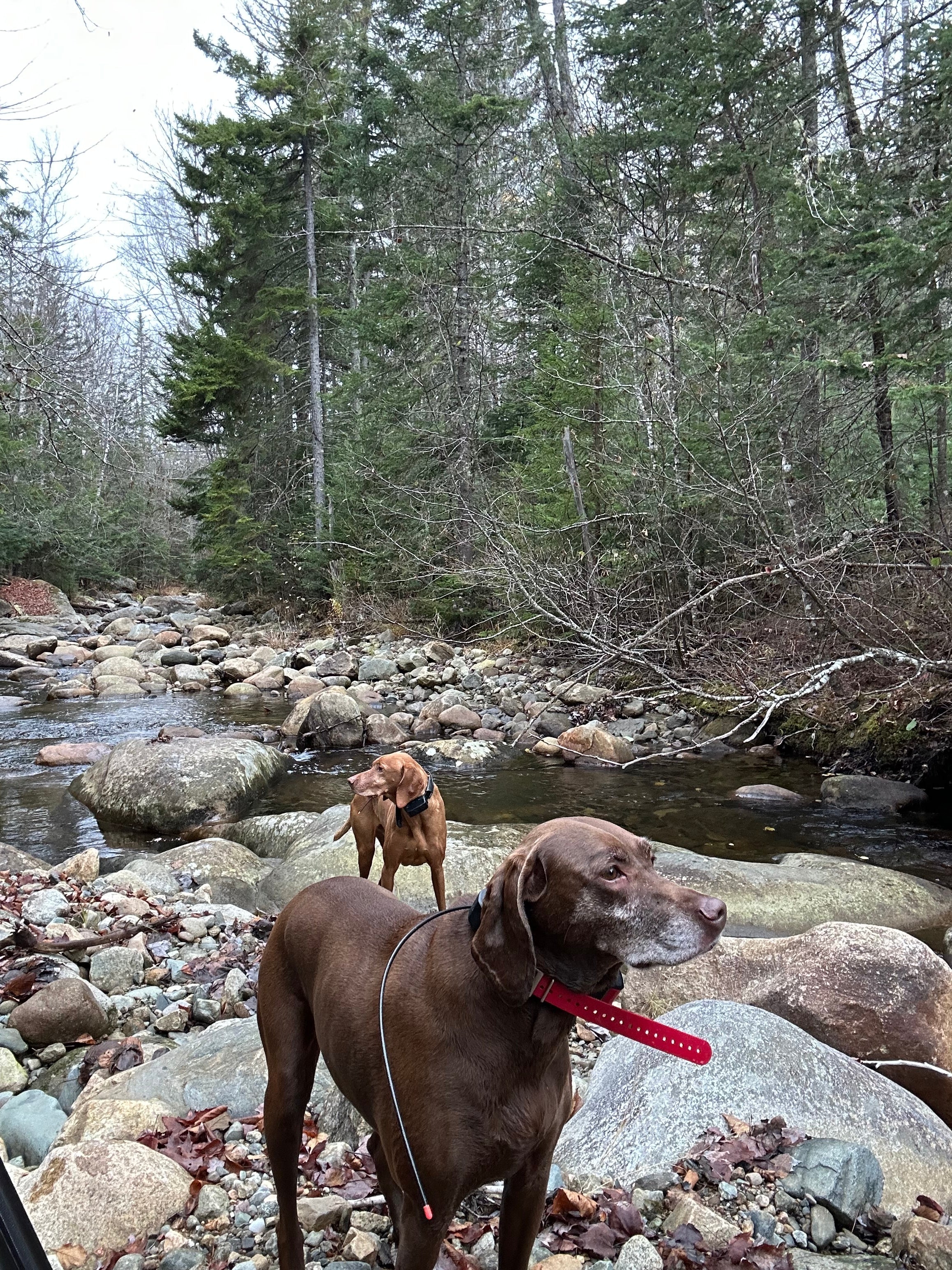
• Quick changes of direction when the dog turns and looking birdy
This is not the same stress as steady treadmill walking.
Energy Demand: Comparable to Endurance Events
Calorie burn varies based on body weight and pace, but a 180–200 lb hunter moving over variable terrain with load for 4–6 hours can easily expend 2,000–3,000 calories over the course of the day.
That doesn’t mean it feels like a race.
In fact, that’s the point.
It feels sustainable, until it isn’t.
Unlike a half marathon, upland hunting isn’t a single continuous effort at a fixed pace.
It’s variable intensity:
• Steady walking
• Short bursts to keep pace
• Carrying birds
• Climbing hills
That variability stresses the aerobic system differently.
It requires a base that can support output without spiking fatigue.
The Hidden Cost: Recovery
The bigger question isn’t:
“How hard is one day?”
It’s:
“How well can you recover for the next one?”
Multi-day hunts reveal the truth.
Day one feels solid.
Day two feels heavier.
Day three exposes weak links.
What usually limits hunters isn’t max strength.
It’s:
• Aerobic base
• Load tolerance
• Joint capacity
• Tissue resilience
• Sleep quality under fatigue
When those are underdeveloped, small inefficiencies compound.
Recovery stretches longer.
Irritation builds.
Pace slows.
Why Aerobic Base Matters More Than You Think
Many hunters assume they need more “leg strength.”
Strength matters.
But aerobic base determines how efficiently your body supplies oxygen during prolonged activity.
A stronger aerobic system means:
• Lower perceived effort at the same pace
• Faster recovery between bursts
• Less drift in heart rate over time
• Better recovery between days
Without it, you compensate with grit.
And grit is finite.
Load Tolerance: The Overlooked Factor
Load carriage changes mechanics.
A vest alters center of gravity.
Side hills increase joint stress.
Descending uneven terrain increases eccentric load on knees and hips.
If load tolerance hasn’t been built gradually in the off-season, October becomes the stress test.
And the field doesn’t adjust for you.
The Difference Between “In Shape” and Prepared
You can be generally active and still struggle in the field.
General fitness does not automatically equal:
• Repeated output under load
• Stabilization on uneven ground
• Back-to-back recovery
• Multi-hour aerobic consistency
Prepared hunters build deliberately.
They:
• Develop aerobic base months before season
• Strengthen hips and posterior chain
• Gradually increase load exposure
• Train recovery capacity
The goal isn’t to feel smoked after a workout.
It’s to feel steady in hour five.
The Real Question
The field will always cost something.
Energy.
Stability.
Recovery.
The question isn’t whether hunting is demanding.
It is.
The question is whether your preparation matches the demand.
If you want long seasons, not just strong opening weekends,
your training needs to reflect what the day actually requires.
Because the cost doesn’t show up in mile one.
It shows up in mile six.